
As more classes gain frequent movement tools, positioning fundamentals are being rewritten. Mobility creep reduces the punishment for poor placement while raising expectations for rapid repositioning and constant adjustment.
Standing still is no longer the default state—it is a choice.
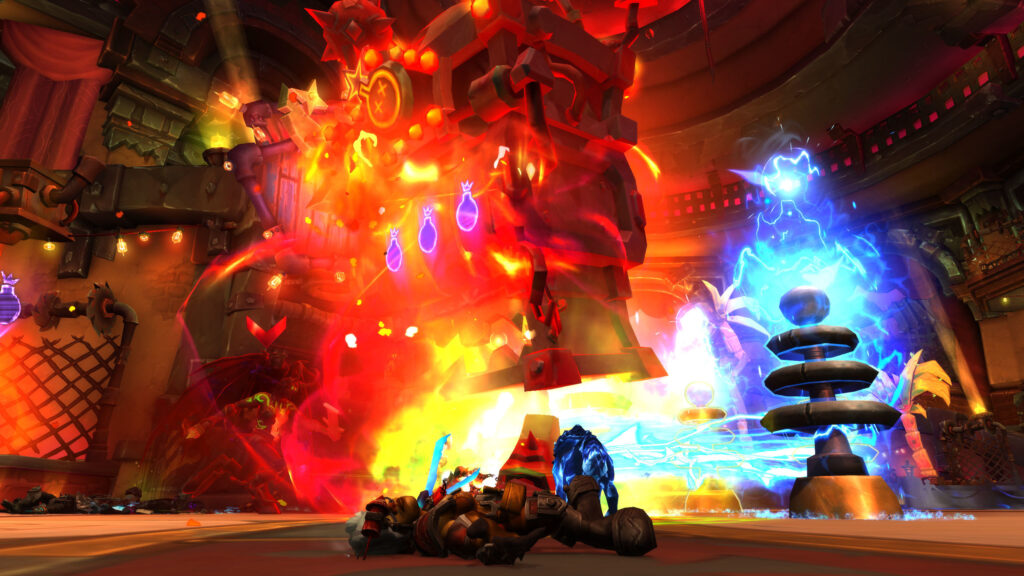
From Limited Movement to Constant Repositioning
Earlier designs treated mobility as a defining strength for a few classes. Today, nearly every role has access to dashes, blinks, or speed boosts.
This accessibility reshapes encounter flow.
How Mobility Alters Risk Assessment
With frequent movement available, players take risks that were previously unthinkable. Dangerous positioning becomes acceptable if escape is guaranteed.
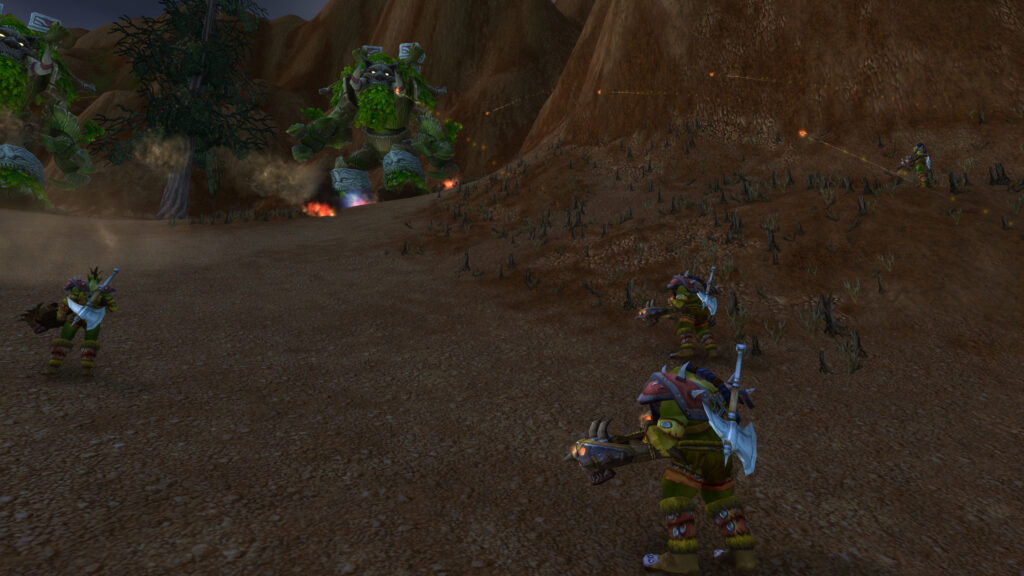
This shifts the margin for error.
New Positioning Expectations Created by Mobility
Encounters assume players can move quickly and often.
- Faster reactions to ground effects
- More aggressive uptime positioning
- Frequent swaps between safe and optimal spots
- Less tolerance for slow repositioning
Mobility becomes an assumed baseline.
Skill Gap Shifts From Movement to Decision-Making
Since most players can move, the difference lies in when and why they do so. Poorly timed movement still results in lost output or failed mechanics.
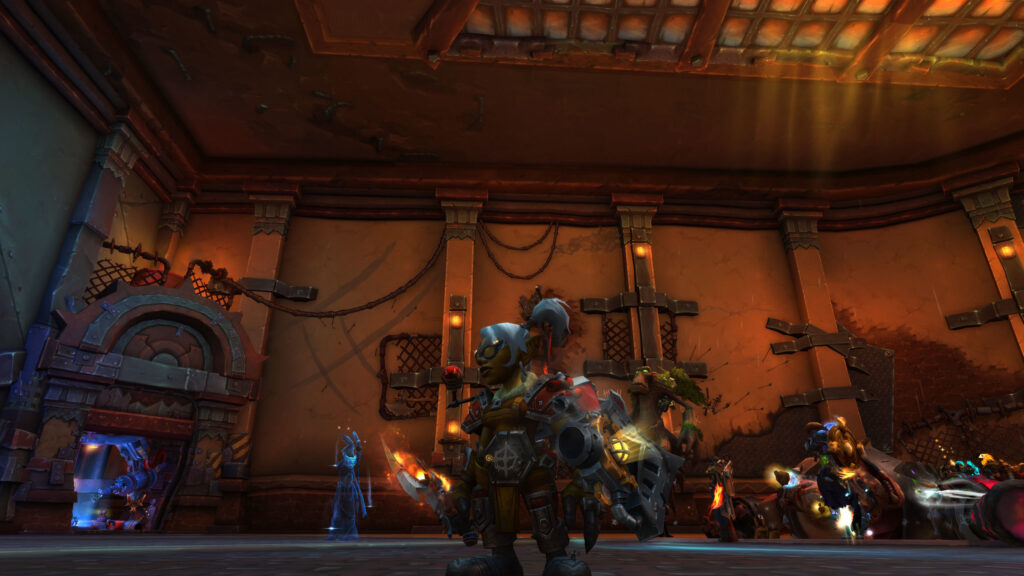
Judgment replaces raw reaction speed.
Encounter Design Responds to Mobility
Designers compensate with mechanics that track, chase, or punish repeated movement. Mobility solves problems, but creates new ones.
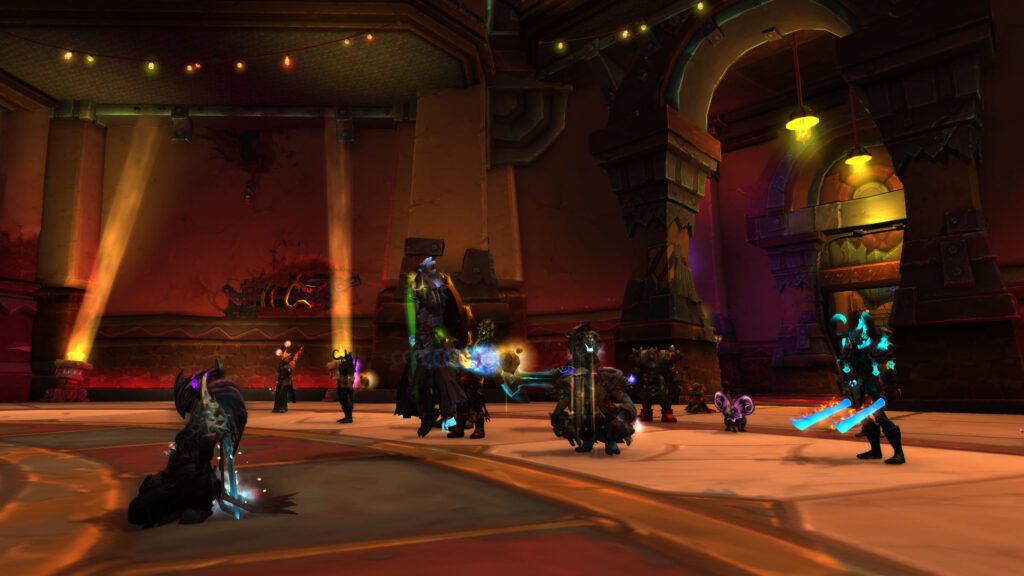
The dance grows more complex.
Conclusion
Class mobility creep changes positioning fundamentals by redefining risk, expectation, and execution. In a world where movement is abundant, mastery lies in disciplined positioning rather than constant motion.