You’ve seen Classic WoW’s rollercoaster ride, fueled by nostalgia, bringing old and new players together. It launched to massive excitement, with its pristine challenge and charm captivating you. The journey had its highs, from community bonding over shared goals to the thrill of downing bosses. Yet, controversies over game mechanics and frustration over content pacing eventually dimmed the spark. The initial buzz couldn’t stave off dwindling player interest as competing titles lured gamers away. Classic WoW’s legacy, though, forever altered the landscape of gaming, rekindling a love for the original experiences. Uncover further how this classic reshaped gaming’s future.
Key Takeaways
- Classic WoW’s launch was propelled by a wave of nostalgia, attracting players with the charm of the original game experience.
- The game’s initial success was marked by high community engagement, with players bonding over shared challenges and achievements.
- Controversies around layering technology and content pacing strategy, along with the introduction of the WoW Token, led to community division.
- Declining player interest was due to a mix of limited endgame updates, the waning novelty of nostalgia, and competition from newer games.
- Despite its challenges, Classic WoW’s legacy is significant, highlighting the demand for authentic gaming experiences and influencing industry approaches to remasters.
Nostalgia Fuels the Launch
The launch of Classic WoW was driven by a wave of nostalgia, as players yearned to relive the game’s golden days. You were among the throng of classic players who flocked to the classic servers, each craving the original, unadulterated experience that had first captured your heart. It wasn’t just about the locations or the quests; it was the challenge level that made victories feel earned and the camaraderie that arose from overcoming challenges together.
With the introduction of the Burning Crusade expansion on classic servers, you saw an expansion of game time possibilities, diving back into a beloved chapter of the game’s history. The update promised new adventures while maintaining the essence of what made the game special for veterans and newcomers alike.
Yet, it wasn’t all rosy. You quickly remembered the grind, the commitment required to reach places like Icecrown Citadel. The game demanded time and patience, echoing the original release’s challenge level that some found intimidating. This mixture of nostalgia and challenge became the crux of your experience, a double-edged sword that both delighted and daunted.
Initial Success and Community Engagement
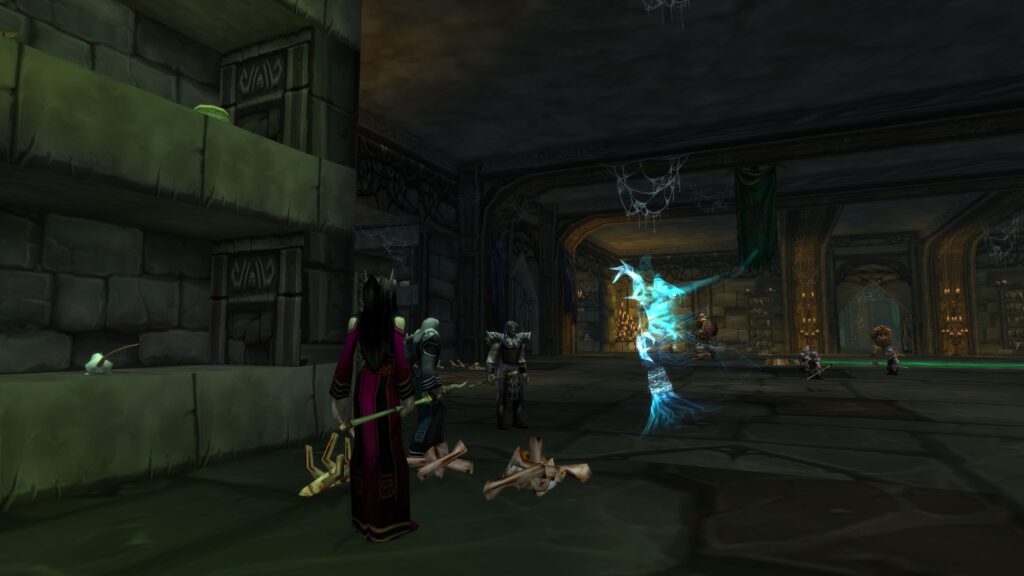
Reflecting on the initial surge of players, you couldn’t help but notice how Classic WoW’s launch sparked unparalleled community engagement and success. Unlike many online games that struggle to maintain a player base, Classic WoW hit the ground running. The nostalgia, combined with a love for the original World of Warcraft experience, brought veterans and newcomers together in a way few could have anticipated.
The month subscription offer was a masterstroke, enticing players to immerse themselves without fear of immediate commitment, yet it was the community’s passion that truly set Classic WoW apart. Guilds formed overnight, with players banding together to tackle the game’s most challenging content. The shared goal of earning game gold, defeating formidable bosses, and exploring every nook of Azeroth created a sense of unity and purpose.
This wasn’t just a game; it was a collaborative endeavor. Players shared strategies, celebrated victories, and even in moments of utter devastation—like failing to down a boss after countless attempts—there was a collective resolve to try again. Classic WoW’s early days were a tribute to the power of community in online gaming, proving that with the right mix of nostalgia, challenge, and social engagement, a game can soar to incredible heights.
Challenges and Controversies
Despite its early achievements, Classic WoW wasn’t without its share of challenges and controversies. You might remember the heated debates around the game’s layering technology, intended to manage server load by creating parallel instances of the world. Yet, players argued it undermined the sense of community and integrity of the game world, leading to exploits and a fractured player base.
Then there was the issue of content pacing. Blizzard’s approach to releasing raids and other endgame content in phases was a double-edged sword. It kept the game fresh for some, but for others, it was a source of frustration. Hardcore guilds quickly consumed new content, leaving casual players feeling left behind and questioning the game’s longevity.
Moreover, the introduction of the WoW Token in retail WoW raised fears about its potential impact on Classic’s economy, though it never made its way into the Classic version. Players worried that such a move would undermine the game’s original “earn your success” ethos, sparking widespread debate within the community.
Each of these challenges and controversies stirred the pot, testing the resilience of the Classic WoW community and Blizzard’s commitment to its nostalgic vision.
Declining Player Interest
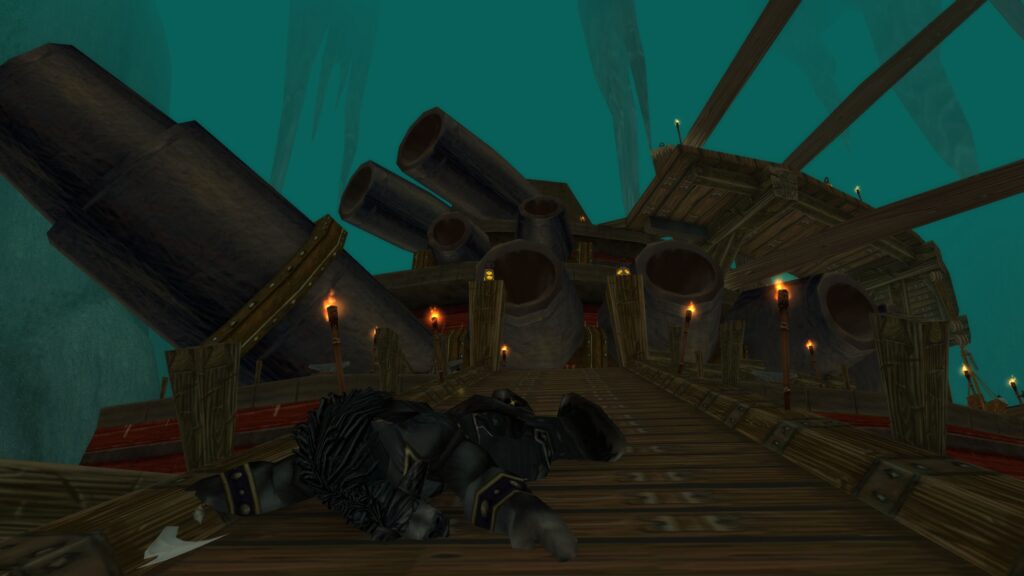
As interest in Classic WoW began to wane, many players found themselves questioning the game’s future viability. You might’ve noticed fewer friends logging on, guilds struggling to fill raid slots, or the once-bustling cities feeling a tad emptier. It wasn’t just your imagination; the decline was real, and it was happening quicker than many had anticipated.
To make sense of this, let’s look at some telling aspects:
| Factor | Impact on Player Interest |
|---|---|
| Endgame Content | Limited updates led to boredom. |
| Nostalgia Fade | Initial excitement wore off. |
| Community Dynamics | Less engagement and interaction. |
| Competing Titles | Newer games drew players away. |
It’s clear the decline wasn’t due to a single issue. It was a combination of factors, each chipping away at the player base. The content couldn’t keep pace with expectations, nostalgia wasn’t enough to sustain long-term interest, community engagement dipped, and the allure of fresh experiences elsewhere proved too tempting for many. This cocktail of challenges left you and many others pondering what was left for Classic WoW’s community and whether there was a path forward that could rekindle the magic once felt.
Reflections on Legacy and Impact
Even with declining player interest, it’s important to reflect on the lasting legacy and impact Classic WoW had on the gaming community. You’ve seen how it reignited passions and brought back a wave of nostalgia, reminding players why they fell in love with the World of Warcraft universe in the first place. It wasn’t just about revisiting old quests or battling through familiar raids; it was about recapturing a moment in time that many thought was lost forever.
Classic WoW’s success taught developers and publishers a valuable lesson about the power of nostalgia and the demand for authentic, unaltered gaming experiences. It showed that there’s a significant audience for games that honor their original form, even in an industry that’s always looking forward. You’ve witnessed communities come together, forming bonds and creating memories in a way that few modern titles can replicate.
The impact of Classic WoW extends beyond just its servers. It’s influenced how companies approach remasters and re-releases, ensuring they preserve the essence of what made these games special. So, while interest may have waned, the legacy of Classic WoW lives on, shaping the future of the gaming industry and how it honors its past.
Frequently Asked Questions
How Did the In-Game Economy of Classic Wow Differ From That of the Original World of Warcraft, and What Impact Did This Have on Player Strategies?
Imagine stepping into a world where gold’s more scarce; that’s Classic WoW for you. Unlike the original, its economy made you strategize differently, focusing more on grinding and less on spending. A true game-changer.
Were There Any Significant Technical Improvements or Regressions in Classic Wow Compared to the Original Game?
You’re wondering if Classic WoW brought any big technical changes compared to the original? Well, it improved server stability and graphics slightly, but also faced criticism for not modernizing enough aspects like the user interface.
How Did the Demographics of the Classic Wow Player Base Compare to the Original Launch, and What Did This Mean for Community Dynamics?
Imagine stepping back in time; you’d find Classic WoW’s player base older and more nostalgic than the original’s. This shift changed community dynamics, fostering a more collaborative and mature environment in-game.
What Role Did Content Creators and Streamers Play in Shaping the Public Perception and Popularity of Classic Wow?
Content creators and streamers massively influenced how you saw Classic WoW, boosting its popularity. They brought back nostalgia and introduced new players, shaping the game’s community and how it’s perceived in the gaming world.
How Did Blizzard’s Support and Update Strategy for Classic Wow Differ From Their Approach to the Original Game, and What Were the Implications for Long-Term Player Engagement?
Blizzard’s approach to Classic WoW’s updates and support was different from the original, focusing more on maintaining authenticity. This affected long-term engagement, as you might’ve felt a mix of nostalgia and desire for new content.
Home